
Aquatic Invasive Species (AIS)
- Spread uncontrollably
- Crowd out native plants, fish, animals and birds
- Harm places of recreation
- Cost millions of dollars to manage
- Cost millions more in revenue lost by resorts, outfitters and other Minnesota businesses
Once AIS move in, it’s nearly impossible to get them out.
Click here to listen to Ann Latham’s story.
Ann Latham's Story
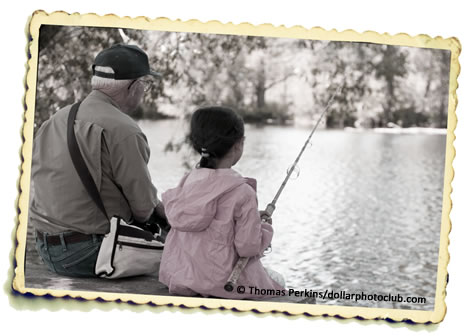 One of Ann Latham's fondest memories is going out fishing with her dad on Green Lake, a bustling 5,400-acre gem near Willmar. Her grandchildren are the family's fifth generation to enjoy fishing, swimming, and hunting for turtles and pebbles along shore.
But now she's not so sure their lake traditions will continue for future generations. About 12 years ago, eurasian watermilfoil appeared in these waters, perhaps carried on a boat trailer by an unsuspecting boater. And that changed everything. Growing like, well, a weed, the nonnative plant has infested the big, windswept lake.
Property owners now volunteer long hours and thousands of dollars each year trying to keep it in check. Still, Latham says after days when there's a lot of boat traffic on the lake, shorelines end up littered with bits and pieces of milfoil torn up by the motors. Latham and her family use pitchforks to move tangles of cut milfoil above the high-water mark where it can compost rather than wash back into the lake and take root in new places.
Latham is distressed about the thought of more invasive species in Green Lake. "This is heartbreaking, is what it is, to watch a lake in Minnesota become degraded through human use," she says. "I don't know that I can personally take another hit. It would be kind of like a death in the family."
[From Minnesota Conservation Volunteer March-April 2012]